
AutoOps for Elastic Cluster
Elastic has announced on Feb 25 that Elastic AutoOps is now free for all.
https://www.elastic.co/search-labs/blog/elastic-autoops-free-for-self-managed-elasticsearch
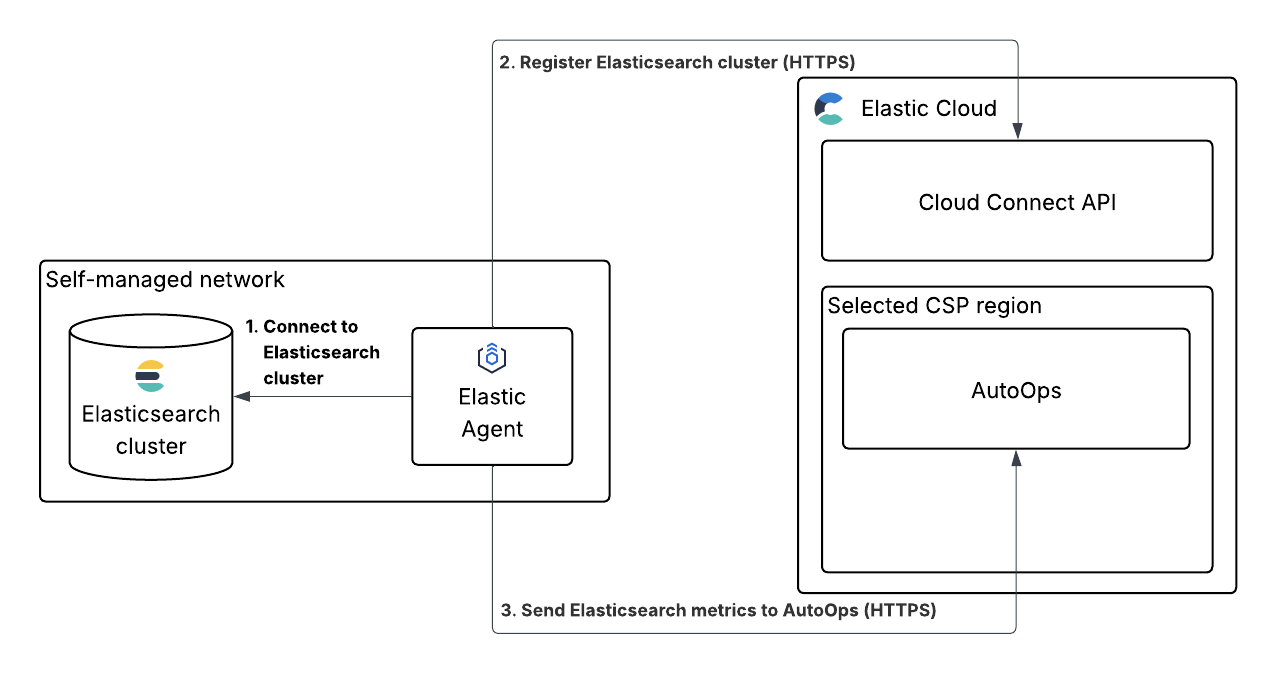
Elastic AutoOps is a SaaS service Elastic provides that helps you to gain critical insight for your cluster operation. It collects the operational metadata (Node stats, cluster settings and shard states etc) and ship to AutoOps Service on Elastic Cloud for analytics and operational dashboards.
This means that Elastic Cloud provides a free cloud service to monitor your cluster. (It does not collect your payload data in the cluster, only meta data for cluster operations)
For those that utilize this free service, it could reduce the operational overhead for managing ELK cluster significantly as Elastic provides best practice AI driven monitoring framework of your cluster, it also provides you recommendations for mitigations.
A screen shot from the Elastic AutoOps intro.

Well, we all know from our life experiences that "free" product and services if often not so "free" in the other aspects. This is a service that costs computing power and maintenance, but I guess this provides Elastic as a product vendor the critical insight of how customers are using their products and key insights of what is right and what is wrong with the product implementation out in the field. Of course this insight is worth a lot for product development and commercial reasons.
For users and administrators of ELK cluster, the pros and cons are obvious:
Pros:
No need to reinvent the wheel and build up up-to-date routines, tooling setups for monitoring of the cluster when the best-in-class tool is free to use
Reduce lead time for troubleshooting significantly with the support of AI engines online at Elastic Cloud
No longer rely on key person or competence to manage the cluster operation on a day-to-day basis
Developers, SRE and IT security analysts that are heavy users of the ELK stack will be able to have a real time view of how the cluster is working in real-time if they hit any performance issue or need to troubleshoot
Cons:
You need to submit the cluster metadata to Elastic Cloud through the AutoOps agent
Monitoring of the cluster becomes more of a black-box and you just consume the data (it may not be a con as end-users are more interested of the outcome from Elastic solutions than the cluster itself)
How does this AutoOps agent work? (source Elastic doc)
Impact of this for organizations and teams using Elastic stack for search, observability and security:
You probably no longer need as many ELK cluster operational resources as ealier when this monitoring was sole an in-house action
Users of Elastic stack will have transparency of how the cluster is working right now, which significantly reduce their troubleshooting time when they hit issues
It becomes easier to further develop and expand the cluster as shortcomings of the current environment becomes much clear through the insightful data in AutoOps
The question we need to ask is what we will do when this feature will be charged, the cost of savings in reduced number of human monitoring resources may justify a price tag
Before the cloud age, vendors would probably sell a tool or function like AutoOps as an additional feature with license fee. Now Elastic chooses to provide this as a free service in the Cloud. For smaller organizations, it is a no brainer and many probably is already running on serverless. For others this provides an opportunity to move the cost from maintenance resources to more AI driven automation and operation in future. This is happening anyway with the rapid expansion of Agentic AI.